I (Jon) finished these jobs variously on March 15th.
The refrigerator was malfunctioning in some unknown way. It was exhibiting signs of electrical issues and of having moisture in the refrigerant lines.
To deal with the electrical issue, I checked all of the connections from the fuse panel to the switch in the fridge. All seemed to be reading fine. I pulled the switch off inside the fridge, fiddled with the electrical connections, and that was about it. I’m not sure if I actually did anything but electrical problems have since gone away.
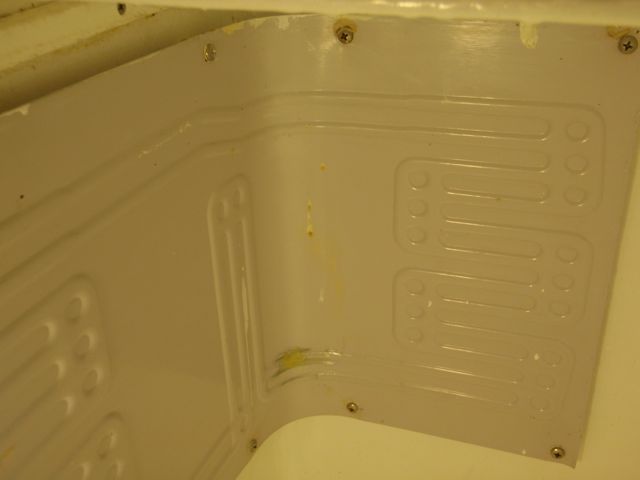
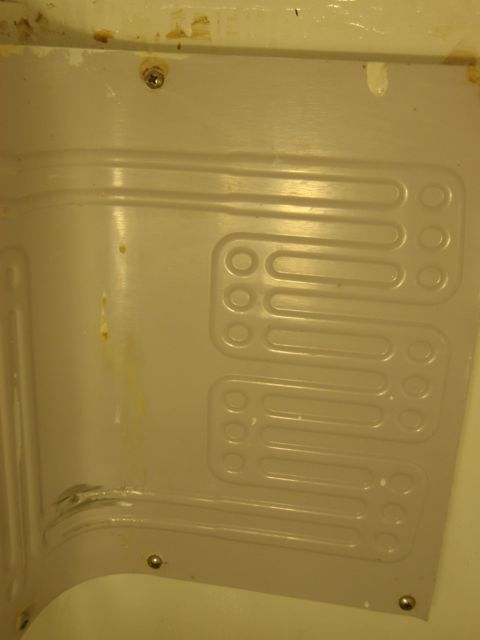
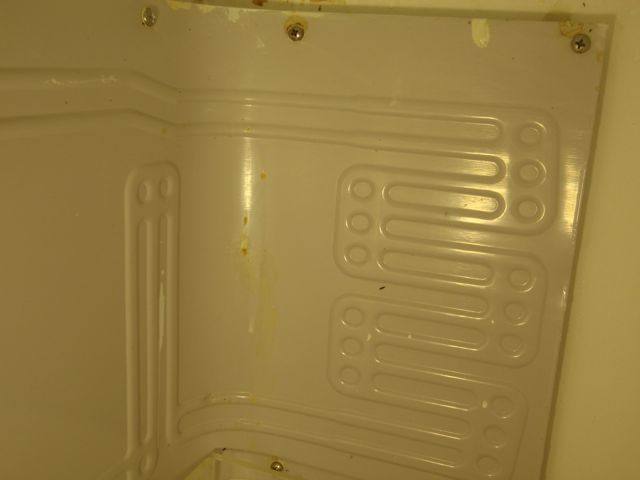
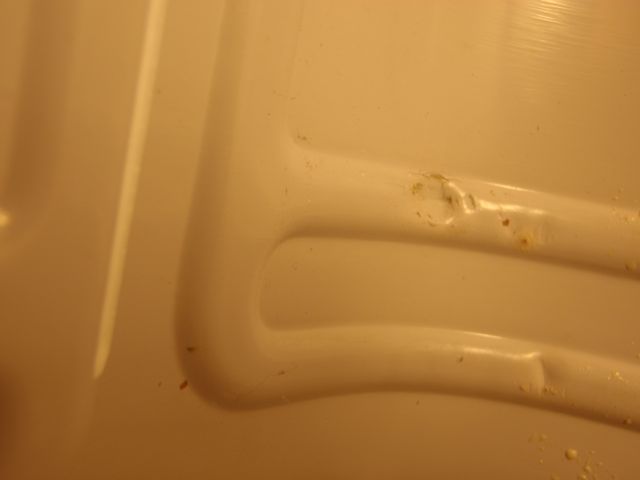
Concerning moisture in the lines, we have suspected that we have a pinhole leak in the system. The pinhole was perhaps caused by one of the drawers in the frig not being locked in place and then when the boat was rocking back and forth, the drawer could have hit the evaporator plate. However, other evidence suggested that there was not in fact a leak. The refrigerant would normally leak out when the icebox temperature rose to room temperature, for example when the top was opened for a couple of hours to clean it out. However, I went to the States for a month and when I came back the plate frosted over perfectly. Nothing was particularly clear.
I vacuumed down the system for hours and hours to try and draw moisture out. This did not seem to help. But as the electrical system was simultaneously acting up during all this, I can’t be sure what the problem was.
I then had a bitch of a time finding more coolant as we were running out. In Australia, you are not allowed to work on your own refrigerant systems. Nobody does, so you can’t buy coolant. The coolant we did have came from Mexico and the tops of the cans were different than the tap we had. I had to spend a week just trying to find a way to usefully open the cans. The fridge topped off a month of hellish frustration at Australia and work on the boat. Oh, you also aren’t allowed to import to boat to sell it here in Australia if it has a refrigeration system that uses liquid/gaseous refrigerant and can be worked on by you. You either have to pay thousands of dollars to get a certificate stating you are a refrigerant mechanic, or declare that its not a refrigeration system, just an icebox that you fill with ice. Australia is obscenely heavily regulated. Finally, another boat blessedly gave me some of their refrigerant so I could continue this process.
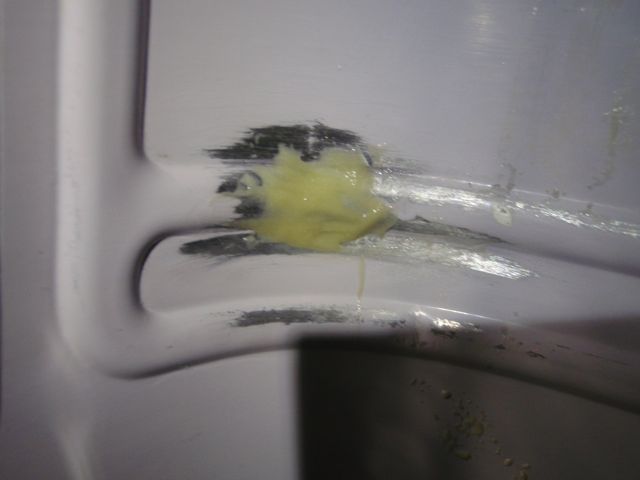
Since nothing else seemed to be working, I took Matt’s suggestion and tried patching the leak. Kollman talks about using JB Weld to patch tiny holes. Matt said I should go with thickened West System epoxy, as he thought that Kollman wouldn’t have much experience with epoxy and that it might be better.
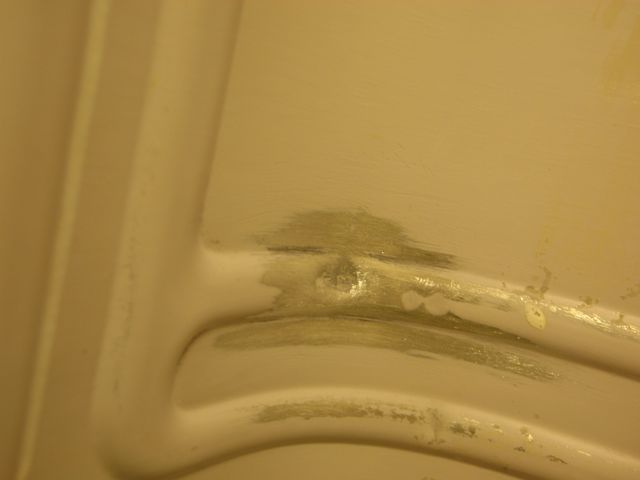
So I cleaned the whole thing with acetone, roughed up the area around the possible pin-hole leak, taking off the paint in the process, re-acetoned it, and then put on a larger than necessary splotch of thickened epoxy. I couldn’t make it very smooth and pretty looking, since there wasn’t anything to level it and I just needed a blob of it on one spot.
Finally, I did a long, long, long, vacuum down.
The fridge has worked perfectly for the last three months and undergone multiple complete warm-ups to room temperature. The electrical seems fine and it doesn’t seem to be leaking refrigerant or have moisture in the system. So I’m pretty happy that I was able to do the refrigerator repair and get it running perfectly.
Leave a Reply